
Splash City: Broken Glass, Blood Ties, and Berner’s San Francisco
I moved from Miami to San Francisco, and now I want to know who is telling this city’s stories.
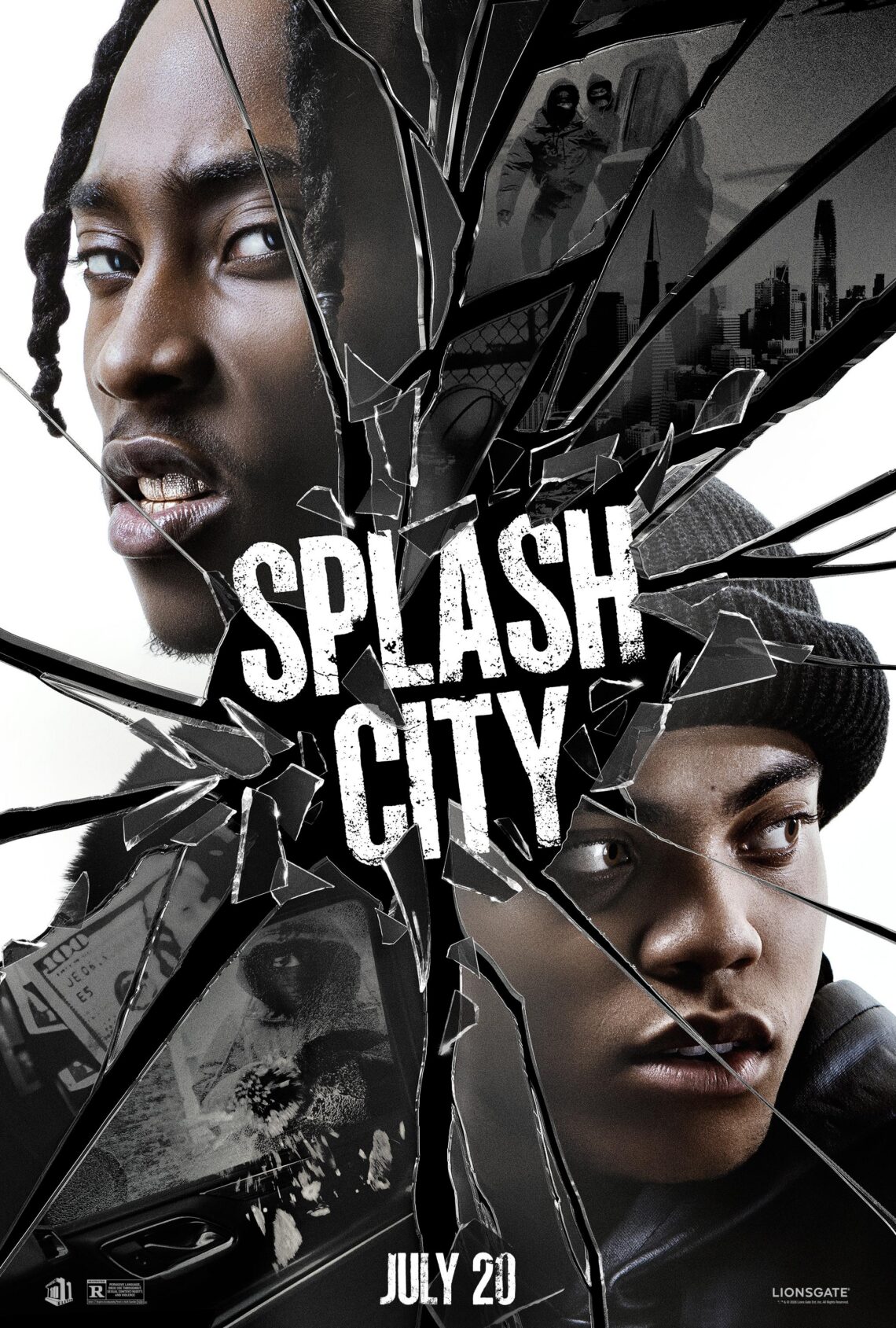
That brings me to Splash City, the 2026 crime drama co-directed by rapper and entrepreneur Berner and filmmaker Alex Ferrufino, with a screenplay by Berner and David Mansanalez. Its premise brings two brothers, basketball dreams, and a dangerous criminal crew into the same San Francisco story.
For someone who has spent years writing about music, a rapper taking his storytelling into film is already a reason to pay attention. Set that story in the city I now call home, and the connection becomes personal.
As I get LisaFordBlog.com moving again, this feels like a fitting subject: a local artist taking a creative risk, a city with plenty of stories to tell, and a film built around the question of how people find a future when their surroundings keep pulling them in another direction.
Two Brothers, Two Different Futures
Splash City follows brothers Juju and Slim, whose lives are moving toward very different possibilities. Slim sees basketball as a path forward. Juju becomes increasingly involved in smash-and-grab robberies under a crew leader whose loyalty is questionable. As the danger grows, both brothers have to reckon with choices that could change their lives. That is the central conflict laid out in Lionsgate’s official synopsis.
The basketball ambition is what gives that premise its weight for me. A young person can have talent, discipline, and a plan, yet still be affected by decisions happening around him. Family makes that situation even more complicated. Your future might depend on establishing boundaries with someone you love.
That is fertile ground for a crime drama. I’m interested in how the film explores the distance between wanting a better life and being able to reach it.
Watch the Official Splash City Trailer
San Francisco on Both Sides of the Camera
The film’s connection to San Francisco extends into the work of making it.
According to the San Francisco Film Commission’s April 2024 meeting minutes, filming locations included Potrero Recreation Center, Treasure Island, and Alamo Square. The commission also recorded 55 San Francisco residents hired for the production, with additional workers coming from elsewhere in the Bay Area. Local hires included producers, coordinators, and production assistants.
That detail deserves attention. We talk about representation through the faces and places that appear on screen, but there is another part of the story: who gets hired, who gains experience, and who leaves a production with a credit that could help them find their next opportunity.
For a movie concerned with people trying to make something of their lives, creating work in the city adds another layer of relevance.
San Francisco contains far more than any single crime story could cover. My interest is in hearing a particular voice from this place and understanding what that voice wants to express. The city becomes more interesting to me as I learn how different people experience it.
The Hip-Hop Connection
Berner’s musical background gives longtime readers of this blog another reason to be curious.
In an interview with Leaf, he identified films including Belly, Menace II Society, and Boyz n the Hood among his influences. He also described wanting to encourage more filmmakers to tell stories about San Francisco and Northern California.
Those references help explain the ambition behind the project. What I value in that tradition of filmmaking is the attention to a place’s personality: the way people talk, what they listen to, how they carry themselves, and what they believe success might look like.
Music is part of that identity. 48 Hills reports that the Splash City soundtrack includes Mozzy, Young Sight, J. Stalin, San Quinn, and The Hoodstarz, bringing established names and newer voices into the film’s sound.
For me, a soundtrack can be an invitation to explore. It can send you searching for an artist, bring a familiar voice into a different context, or attach a song to a character in a way that changes how you hear it afterward. That relationship between music and storytelling has always belonged on this blog.
A City’s Problems Become a Story
The criminal activity at the center of Splash City is commonly called “bipping”: breaking into vehicles to steal what is inside. During production, Berner and Mansanalez told The San Francisco Standard that they wanted the film to prompt a deeper conversation about the issue and the environments their characters inhabit.
That is where a film like this has a difficult job.
A broken window has consequences for the person who comes back to find it. A young person participating in the break-in also has a life beyond that moment. A compelling crime story has room to examine the harm, the choices, and the people involved without making the damage feel trivial.
The question I bring to Splash City is how much room it gives those consequences. Does the story make us think about what its characters stand to lose? Does it make their ambitions feel as tangible as the danger around them?
Those are the things that make me stay with a crime film after the immediate tension has passed.
The Creative Gamble Also Matters
There is another reason this project caught my attention: Berner committed substantial resources to getting it made. The San Francisco Chronicle reported that he financed the film with $2 million of his own money.
That is a serious investment in an idea.
In his Leaf interview, Berner described the experience plainly: “This movie was my film school.”
As a writer and artist working across different forms, I relate to the desire to give a story more room. An image can suggest a character. A character can grow into a larger world. Eventually, the idea asks you to learn something new so you can take it further.
Watching a creator make that commitment interests me alongside the finished work.
A New Chapter for LisaFordBlog.com
I’m bringing this blog back into my daily creative life because I want a place to keep exploring music, film, visual art, and the stories that stay with me.
Splash City brings several of those interests together. It connects hip-hop with filmmaking, puts a San Francisco story in front of an audience, and gives me a reason to look more closely at the creative work coming out of my new home.
That is the kind of conversation I want to keep having here.
Watch the trailer above and tell me what catches your attention. If you’ve already seen Splash City, how does its version of San Francisco compare with the city you know?


You May Also Like

NAS – “The Don” {New Music!!}

BIG BOI, SANTIGOLD, STEVIE WONDER, DIE ANTWOORD, NORA JONES, METALLICA & Others Perfrom Live At the Outside Lands Music Festival in San Fran!
